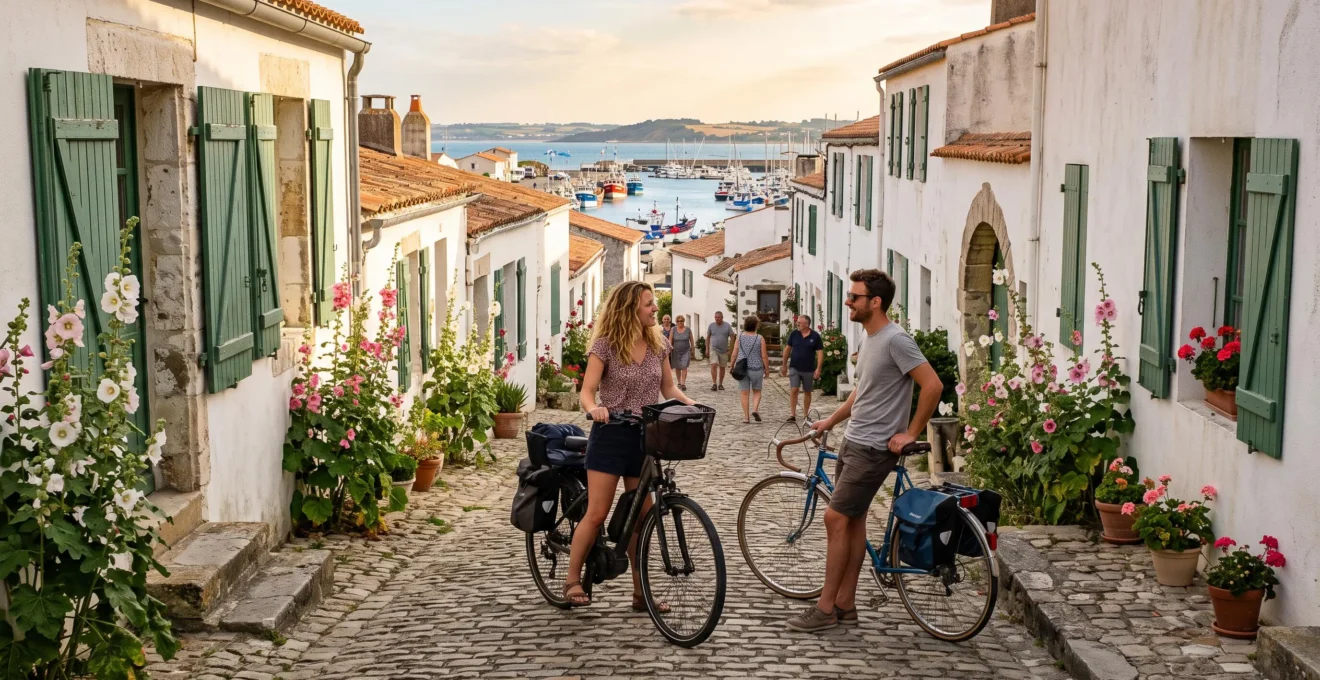
On the Île de Ré, “best” really means “best for your trip”. Each village has its own mix of atmosphere, beach access and practicalities, so the right base depends on whether you prioritise harbour life, quiet lanes, family beaches or cycling-friendly surroundings.
This guide compares the best villages to stay on Île de Ré using concrete criteria (vibe, access, and budget signals) and helps you choose quickly—without generic, overly salesy recommendations.
Quick way to choose your base on the Île de Ré
- Want the liveliest evenings and a historic setting? Consider Saint-Martin-de-Ré.
- Prefer quiet village life near salt marsh landscapes? Look towards Ars-en-Ré and the west.
- Travelling with children and want easy day-to-day logistics? La Flotte or Sainte-Marie-de-Ré can feel simpler.
- Cycling-focused stay? Choose a base that keeps you close to the island’s cycle paths and away from car-only habits.
- Booking timing matters: availability and prices can change sharply between high season and shoulder/low season.
What makes each village of the Île de Ré unique?
Réponse directe : The main difference is east-to-west positioning: the east tends to feel more connected and practical for short stays, while the west often feels quieter and more nature-oriented. Within that, Saint-Martin-de-Ré stands out for harbour life and heritage, while Ars-en-Ré is strongly associated with salt marsh landscapes and a calmer pace.
If you are choosing without local knowledge, start with one simple filter: do you want to be in the middle of the island’s buzz (restaurants, evening strolls, a busy port), or closer to calmer landscapes and slower rhythms? Once you answer that, the village choice usually becomes clearer.
According to the Destination Île de Ré overview of its ten villages, the island is made up of ten villages with varied landscapes and atmospheres—so choosing your base is less about “the best”, and more about the feel you want day-to-day.
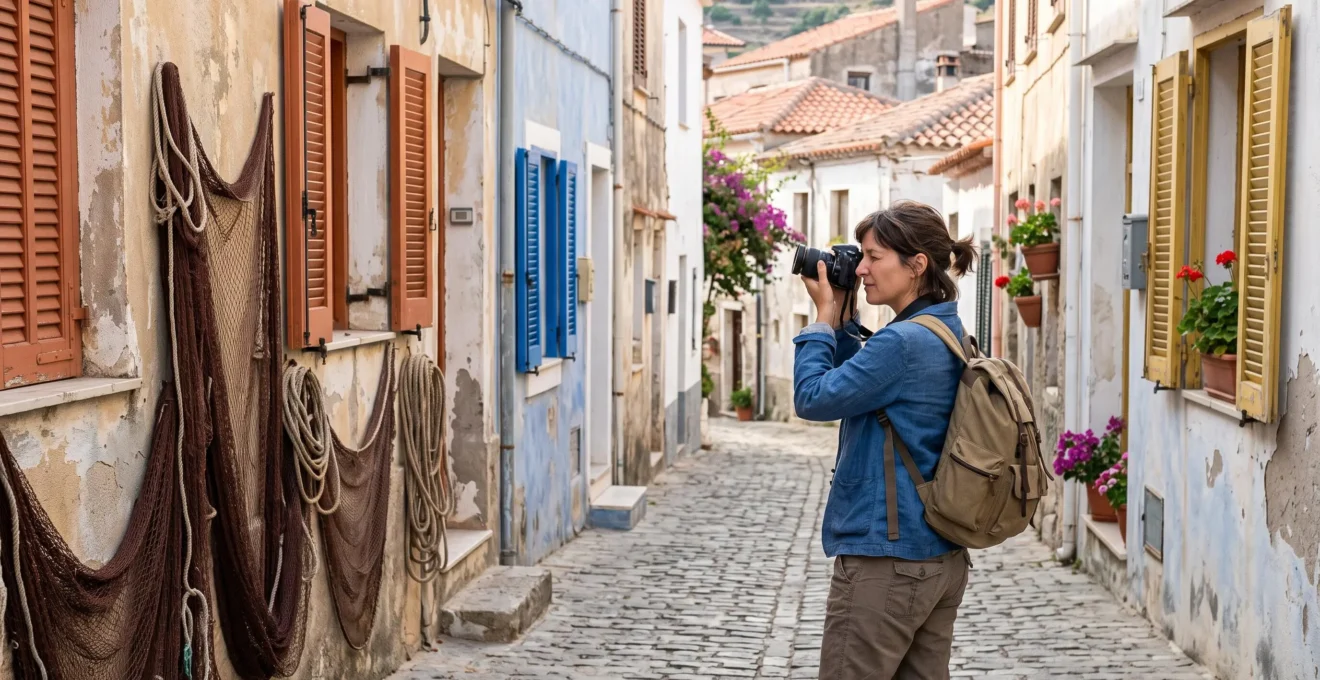
Saint-Martin-de-Ré: harbour charm and a historic hub
Saint-Martin-de-Ré is the island’s emblematic historic town and often the most “town-like” base for a holiday: you will find an active harbour feel and a stronger sense of bustle in the evenings than in smaller villages.
For a verified heritage marker, Destination Île de Ré presents Saint-Martin-de-Ré as the island’s historic capital, highlighting its 17th-century fortifications listed by UNESCO (World Heritage). That heritage character is one reason it tends to suit travellers who want atmosphere beyond the beach.
Ars-en-Ré and the west: quieter stays near salt marsh landscapes
If you picture early mornings, wide skies and cycling through open landscapes, the west of the island is often the right direction. Ars-en-Ré is frequently associated with a calmer rhythm and the salt marsh identity of the area.
As an additional point of reference, the national label organisation notes that Ars-en-Ré is one of the island’s two villages officially listed among villages classified “Most Beautiful Villages of France” (along with La Flotte), and highlights its distinctive village architecture and links to salt marshes and the fishing harbour.
La Flotte and Sainte-Marie-de-Ré: seaside villages that can feel easy with families
La Flotte is often chosen for a “village-by-the-sea” holiday where you still want shops, a port feel and a pleasant evening walk without needing a car for every errand. Destination Île de Ré also lists La Flotte among the island’s standout villages and notes it is one of the two labelled “Most Beautiful Villages of France”.
Sainte-Marie-de-Ré can appeal if you want a calmer base while staying in the eastern part of the island—useful when you plan a mix of beach time and day trips without feeling far from everything.
Distance perception on the island : the villages can look close on a map, but the “real” convenience depends on where your accommodation sits (near the port, near a beach access point, near cycle paths). Confirm exact locations before booking.
A concrete contrast to picture the difference
Imagine a summer evening in Saint-Martin-de-Ré: you might finish dinner and stroll around the harbour with plenty of other visitors. Now picture Ars-en-Ré on the same night: the mood can be much quieter, with more of your time spent in open landscapes (especially if you cycle) and less in a busy central port.
Which village should you choose for your stay?
The most practical way to decide is to match your profile to a village “style”, then check the trade-off you accept: atmosphere (lively vs calm), beach access (walkable vs short ride), and budget flexibility (hotspots vs better value).
- You want restaurants, port ambience and a historic setting:
Start with Saint-Martin-de-Ré, especially for short breaks where you want evenings to feel “alive”.
- You prioritise calm, nature and cycling through open landscapes:
Look towards Ars-en-Ré and the western side of the island; it often fits a slower, outdoors-first stay.
- You travel as a family and want a smooth daily routine:
La Flotte (port + village feel) or Sainte-Marie-de-Ré can be a comfortable compromise for beach days and practical errands.
- You’re planning to cycle most days:
Choose accommodation with easy access to cycle routes and the places you’ll visit most—being “central” matters less if you bike.
Cas pratique
A hypothetical example: you are a family with young children and you want a sandy beach within easy reach for morning swims, but you also want a village centre with a port walk in the evening. In that case, you could shortlist La Flotte first, then compare specific rentals by their walk/cycle access to the beach and to everyday shops. A couple with the same dates but a different goal (restaurants and evening ambience) might prioritise Saint-Martin-de-Ré instead, even if they accept more “busy” streets in high season.
If you want an extra comfort-focused filter for couples or short breaks, you can also compare villages by the type of small-scale places available (for example, inns or smaller hotels that keep a local feel). For that angle, see our selection of charming hotels.
Where to stay: accommodation types by village
On the Île de Ré, accommodation choice often matters as much as the village: a harbour-side stay will feel very different from a quiet rental a few streets back. Rather than assume “village X is expensive”, compare type + location within the village.
Typical patterns you’ll see when searching:
- Hotels with character are easier to find in the best-known hubs (often around ports and historic centres), where short-stay travellers concentrate.
- Holiday rentals and gîtes can be found across the island, and are often the most flexible option for families (kitchen, bikes, longer stays).
- Chambres d’hôtes can be a good compromise if you want local contact and a quieter feel, but availability can be limited in peak periods.
To make your comparison immediately usable, focus on three checks in every listing: (1) distance to your “anchor” place (beach access point, port, market), (2) bike storage if you plan to cycle daily, (3) parking rules if you will drive.
Example to picture the difference: a boutique hotel near Saint-Martin-de-Ré’s harbour will naturally feel more “urban holiday” (evenings out, port walks), while a family gîte on the edge of Sainte-Marie-de-Ré may give you more space and a quieter end-of-day routine—at the cost of cycling a little more to reach a lively centre.
When to book: high season versus low season
If you worry about paying too much for the “wrong” village, timing is one of the few levers you fully control. Availability and prices can change dramatically between peak weeks and quieter periods, especially in the villages that draw the most demand.
What we can document about seasonality : a strong share of stays is concentrated in mid-summer, which helps explain why availability tightens and prices tend to rise in that period.
In a 2025 tourism season report relayed by Ré à la Hune and attributed to Charentes Tourisme / Destination Île de Ré, the island’s annual overnight stays represented by July and August reach 42% in 2025. See the referenced figures in this 2025 season report about overnight stays and seasonality.
High season: book early if your dates are fixed
If you are travelling in July or August, treat booking as a planning step—not as a last-minute task. The most “obvious” bases (historic centres and well-known ports) are usually the first to fill up, especially for family-sized rentals and places that offer easy beach access on foot or by bike.
Limit to keep in mind: even within the same village, prices depend heavily on exact location and property type, so avoid comparing two listings without checking their access to your must-haves.
Shoulder and low season: more choice and often better value
If your priority is cycling, calm beaches and a slower pace, shoulder periods can feel more comfortable on the island. Practically, you may find a wider choice of rentals and more flexibility on arrival/departure days—useful if you want to optimise your budget.
Village popularity changes the “right” lead time
A simple rule: the more you target a recognisable name (like Saint-Martin-de-Ré) and a prime micro-location (harbour, central lanes), the more you should expect demand pressure in peak season. Quieter areas can still sell out—just later, and often for specific property types (larger houses, pet-friendly rentals, or properties with bike storage).
How to plan your trip and save on accommodation
Saving money without ruining your holiday is mostly about choosing what to pay for: a “postcard” harbour location, or day-to-day convenience (beach access, cycle routes, calm nights). If you decide that upfront, you avoid paying extra for features you won’t really use.
- Set your anchor point
Pick one daily priority (walkable beach, harbour evenings, or cycling routes). Use it to evaluate every listing.
- Shortlist 2 villages, not 10
Choose one “lively” option and one “calmer/value” option, then compare accommodation—not just villages.
- Decide what you won’t pay for
If you’ll cycle everywhere, you may not need a seafront address; if you want evenings out, paying for a central location may make sense.
- Time your booking to your constraints
Fixed dates in July/August usually justify earlier booking; flexible dates often reward shoulder season planning.
If you are hesitating between a hotspot and a quieter base, a useful compromise is to stay slightly outside the busiest centres while keeping easy cycling access. In practice, that can mean looking towards Ars-en-Ré rather than paying a premium for the most central parts of Saint-Martin-de-Ré—while accepting a different (often calmer) evening atmosphere.

Which village on the Île de Ré is best for a family holiday with children?
If you want an easy family routine, start by checking La Flotte or Sainte-Marie-de-Ré, then compare accommodation by walk/cycle access to the beach and to everyday shops. The “best” choice depends on whether you prioritise a calm base (often easier for sleep and downtime) or being near a busier harbour area for evenings.
Where to stay on the Île de Ré on a limited budget?
To protect your budget, focus on (1) travelling outside the most in-demand weeks if you can, and (2) choosing a slightly less central micro-location within your preferred village (a few streets back from the harbour, or not directly on the seafront). Also prioritise cycle access over a “postcard” address if you plan to ride daily.
Which village is most convenient for cycling and nature on the Île de Ré?
For a nature-forward, cycling-oriented stay, the western side—often associated with salt marsh landscapes—can be a strong fit, with Ars-en-Ré frequently shortlisted for its calmer village rhythm. The key is less the village name than the exact location of your accommodation relative to the routes you’ll ride most.
When is the best time to book accommodation on the island?
If you travel in July or August, book as early as you reasonably can once your dates are fixed, because demand concentrates heavily in those months (Charentes Tourisme / Destination Île de Ré data relayed in a 2025 season report). If you can travel in shoulder season, you’ll usually have more choice and more flexibility, which can help you find better value for the same comfort level.
At this point, you should be able to choose your base with confidence: pick the village atmosphere you want (lively Saint-Martin-de-Ré vs calmer west around Ars-en-Ré, or an easy-going family feel around La Flotte/Sainte-Marie-de-Ré), then validate the exact accommodation location against your must-haves. That’s the most reliable way to land in the best villages to stay on Île de Ré for your own trip—not someone else’s.